
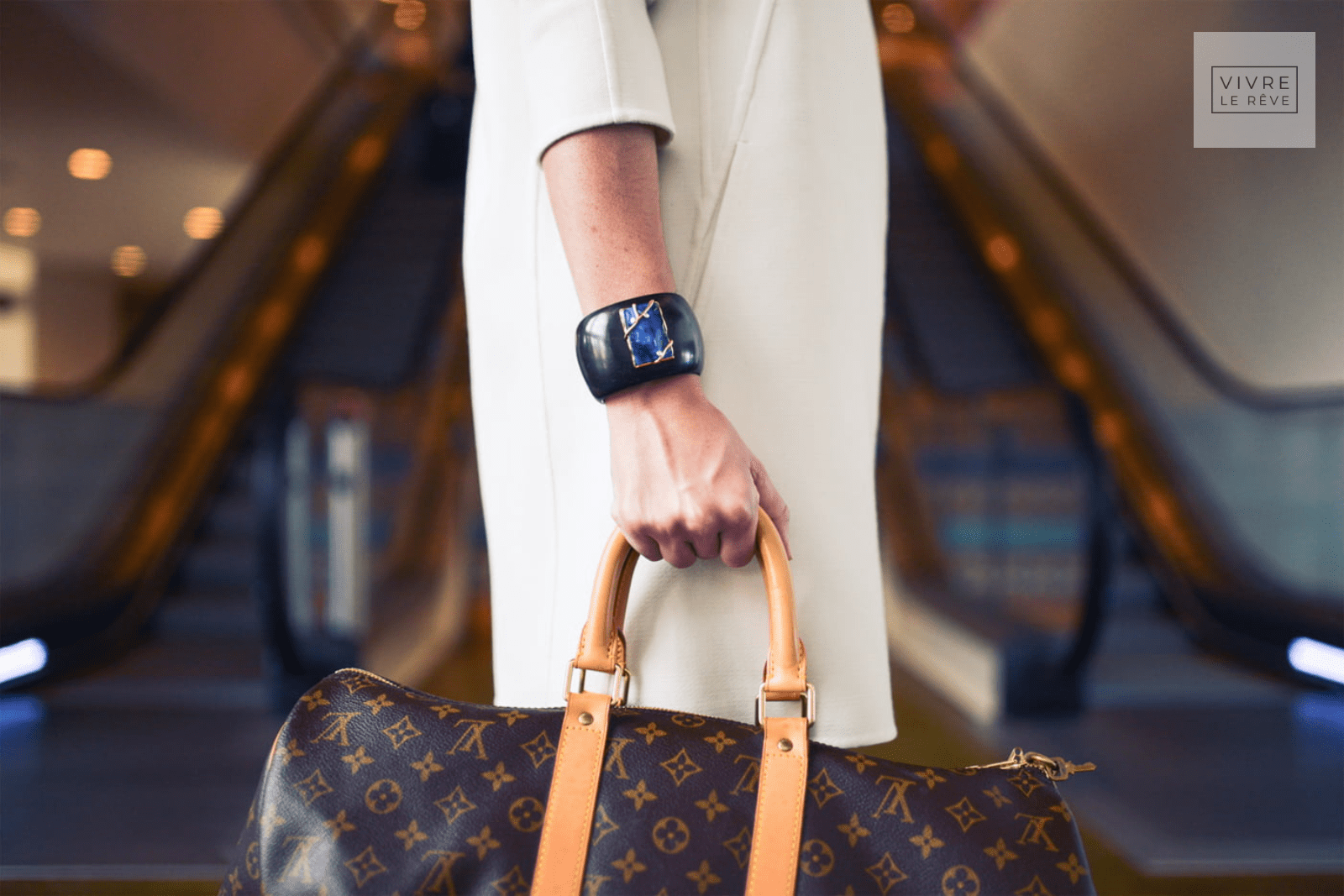
Whether you’re shopping for a pre-owned Louis Vuitton, a second-hand Ted Baker or any other designer bag on platforms like Vinted, Depop or eBay, knowing how to tell if a handbag is a fake could save you a significant amount of money. Counterfeit bags have become increasingly sophisticated over the years, and even experienced buyers can be caught out. This guide covers the key things to check on any designer handbag before you buy.
Start With the Overall Quality
The single most reliable indicator of authenticity is overall quality. Even if a fake bag has accurate branding, the right date code and convincing labels, quality is almost always the tell. Pick the bag up and handle it. Does it feel substantial and well-made? Does everything: the zip, the hardware, the stitching, feel considered and precise? Luxury and premium brands invest heavily in craftsmanship. A fake will almost always feel slightly off in your hands, even before you start checking the details.
Check the Material
First, establish what the bag should be made of, and then assess whether it is. Not all designer bags are made of leather: Louis Vuitton, for example, uses coated canvas with leather trim, so knowing what you’re looking for matters.
If the bag is supposed to be leather, it should feel soft, supple and dry to the touch: not oily, plasticky or stiff. Authentic leather also has a distinctive natural smell. If a bag claiming to be leather has a strong chemical or synthetic odour, this is a significant red flag.
For canvas bags, check the coating: it should feel smooth and consistent with no bubbling, peeling or uneven texture.
Inspect the Stitching
Stitching is one of the most revealing indicators of authenticity. On a genuine designer bag, the stitching should be:
- Neat, even and consistent in size throughout
- Free of loose threads or fraying
- Free of back-and-forth stitching at the end of seams
- Properly aligned at seams: a brand that values its logo, like Louis Vuitton, would never allow a monogram to be divided or misaligned at a seam.
If the bag is supposed to be hand-stitched, hand stitches will not be perfectly uniform in size or perfectly straight, but they will be consistent and deliberate. Machine stitching on a bag claiming to be hand-stitched is an immediate red flag.
Test the Zip and Hardware
Unzip the bag several times and pay close attention. On an authentic bag, the zip should pull smoothly with equal tension throughout: no catching, sticking or resistance. Budget zips used by counterfeiters almost always feel slightly rough or uneven.
Hardware on a genuine designer bag should feel heavy and substantial. Hollow, lightweight hardware is a warning sign. If the hardware is engraved or embossed with the brand name, check that it is supposed to be, and that the engraving is clean, precise and even rather than smudged or shallow.
Examine the Lining
The inside of a bag is one area counterfeiters consistently get wrong, partly because they are usually copying photographs of the exterior. Check the lining fabric: crunchy, synthetic-feeling lining is a major red flag on any bag claiming to be a quality piece.
For brands with printed linings like Ted Baker, the print should be crisp, vibrant and neatly aligned at the seams. On fakes, the print is often blurry, faded or mismatched.
Check the raw edges inside the bag too. Most quality leather goods will have a wax or paint finish applied to cover raw leather edges. A sloppy, uneven or poorly applied edge finish is always a sign of inferior quality.
Check the Labels, Tags and Branding
Examine every label carefully: the interior label, any swing tags and any branding on the exterior. On an authentic bag:
- Labels should be neatly and securely stitched.
- Fonts should be clean, consistent and correctly sized.
- Spelling should be perfect: any errors are an immediate red flag.
- Branding should appear exactly as it does on the brand’s official products, check the brand’s website if you’re unsure.
Be particularly wary of loose plastic covering handles on pre-owned bags, this is sometimes used to disguise damage or poor quality materials and is a common sign of a fake.
Check the Date Code or Serial Number
Many designer brands use date codes or serial numbers to identify when and where a piece was manufactured. These are worth checking, but it’s important to understand their limitations, a correct date code or serial number does not guarantee authenticity, as counterfeiters are able to replicate these. They are one piece of the puzzle, not the whole picture.
For brand-specific guidance on date codes and serial numbers, see our dedicated guides:
Where to Buy Authenticated Designer Bags
If you want complete peace of mind when buying pre-owned designer bags, the safest option is to buy from a platform that authenticates every item before listing. Platforms like The RealReal and Rebag all offer authentication guarantees and are significantly safer than buying privately on general resale platforms.
If you’re buying from a private seller on Vinted, Depop or eBay, use this guide and our brand-specific guides before committing and always ask for detailed photos of labels, lining, hardware and any tags before purchasing.
How to Care for Your Designer Bag
Once you’ve verified your bag is authentic, protecting your investment is essential.
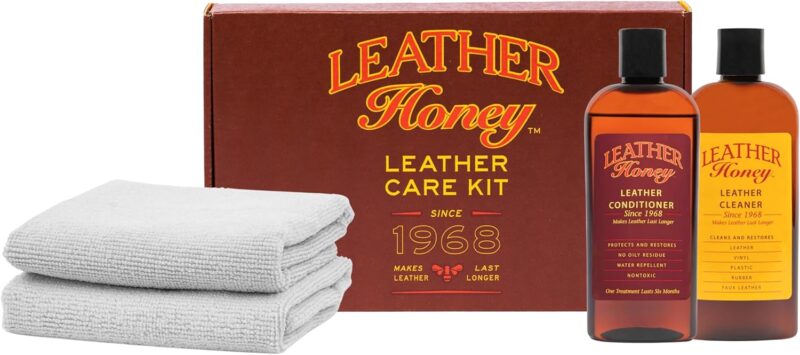
A quality leather cleaner and conditioner keeps the exterior in the best condition:
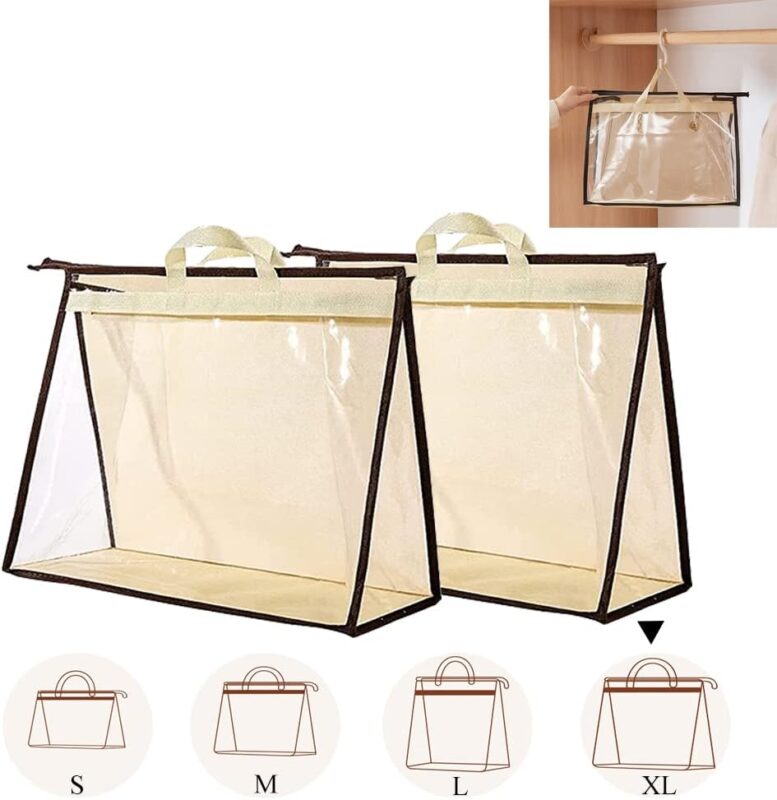
a proper dust bag for storage:
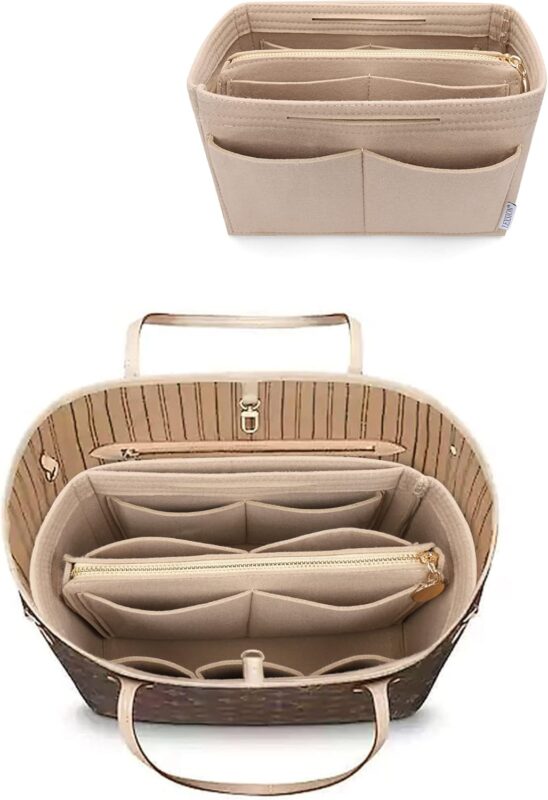
and a bag organiser insert to maintain the shape are all worth having.
Frequently Asked Questions
Is it easy to spot a fake designer bag?
It depends on the quality of the fake. Entry-level counterfeits are usually easy to spot once you know what to look for. However, high-quality fakes, sometimes called “superfakes”, can be extremely convincing and may fool even experienced buyers. This is why buying from authenticated resale platforms is always the safest option.
What is the most faked designer bag brand?
Louis Vuitton is consistently one of the most counterfeited brands in the world due to the recognisability of its monogram. Other heavily faked brands include Gucci, Chanel, Prada and Michael Kors.
Does a date code prove a bag is authentic?
No. A date code identifies when and where a bag was manufactured, but does not verify authenticity. Counterfeiters are able to replicate date codes, so a correct code is a positive sign but never a guarantee on its own.
Can fake bags have real-looking hardware?
Yes, higher-quality fakes often have convincing-looking hardware. However, the weight is almost always the telltale; authentic designer hardware feels genuinely heavy and substantial, while counterfeit hardware is typically lighter and hollow-feeling.
What should I do if I think I’ve bought a fake bag?
If you bought from a resale platform, raise a dispute immediately and document everything with photographs. If you bought privately, your options are more limited, but you can report the seller to the platform. For future purchases, use an authenticated resale platform or a professional authentication service.
