
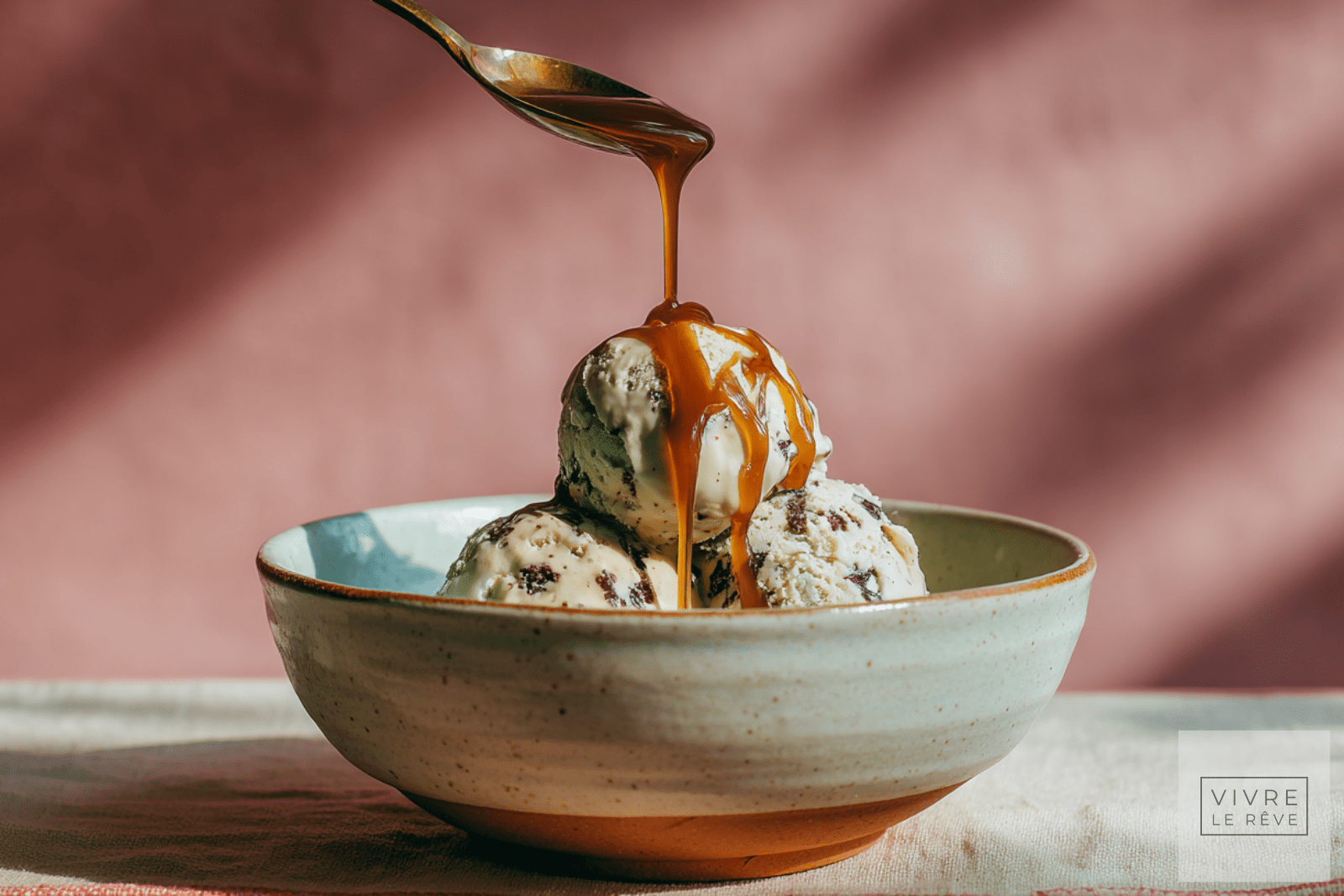
Caramel is one of those magical kitchen moments where something simple becomes something extraordinary. At its heart, it’s just sugar being heated, yet the transformation that happens in the pan is pure chemistry, and understanding the science of caramel gives you far more control, confidence, and creativity in the kitchen. Whether you’re making a classic salted caramel sauce, a deeper caramel for desserts, or experimenting with your own sweet sauces, knowing why sugar behaves the way it does makes the whole process calmer and more predictable.
What Happens When Sugar Starts to Heat
Caramelisation begins long before sugar turns amber. When granulated sugar is heated, the crystals start to dissolve, forming a clear syrup as they absorb heat. This might look uneventful, but this early phase is crucial. Sugar in this stage is fragile, any tiny impurity, undissolved grain, or crystal on the side of the pan can trigger crystallisation. This is why so many caramel techniques mention brushing down the sides of the pot with water or avoiding stirring once the syrup is bubbling. It isn’t superstition; it’s science. Caramel depends on maintaining a clean solution while it heats, because once the crystals are dissolved, they need to stay dissolved.
The Moment Caramelisation Begins
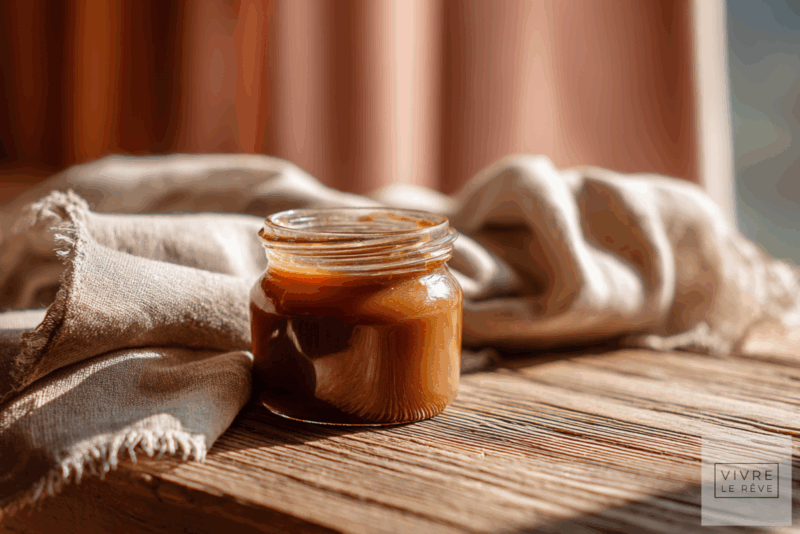
As the temperature rises, the science of caramel becomes even more interesting. Sugar reaches around 160°C (320°F), and this is when true caramelisation begins. At this point, the molecules start breaking down and reorganising into hundreds of new compounds. These new structures are responsible for the complex flavours we associate with caramel: toasty, nutty, buttery, warm, and sometimes slightly bitter. The colour deepens because these compounds absorb and reflect light differently than pure sugar. It’s why caramel shifts in those familiar stages: pale gold, honey, amber, deep amber, and beyond.
Understanding Caramel Colour and Flavour Stages
Every colour stage has its own flavour identity. Pale gold will give you a lighter, sweeter caramel, almost reminiscent of butterscotch. A deeper amber produces richer, more intense notes that pair beautifully with sea salt or chocolate. Push it even further and you enter the territory of burnt sugar, which in small amounts adds depth and complexity to sophisticated desserts. Understanding these colour stages is one of the most powerful parts of the science of caramel because once you know how colour maps to flavour, you can decide exactly when to stop cooking based on the result you want, not guesswork or luck.
Wet Caramel vs Dry Caramel: Technique and Chemistry
One of the most important distinctions in the science of caramel is the difference between the wet and dry methods. Dry caramel involves heating sugar on its own, allowing it to melt directly. It’s fast and produces a beautifully intense flavour, but it requires even heat and a confident hand. Wet caramel starts with sugar dissolved in water, which slows the process and helps prevent burning. The water eventually evaporates, leaving the sugar to caramelise, but that initial buffer gives beginners a much calmer experience. Neither method is better, they each have their moment, but knowing why they behave differently lets you choose the right technique for your recipe.
How Liquids and Fats Change Caramel
As soon as you add butter, cream, milk, or any liquid, the chemistry shifts again. Caramel goes from a pure sugar transformation to an emulsion. When you pour liquid into caramel, it bubbles violently because the temperature difference is extreme, the caramel is over 160°C, and the liquid is usually room temperature. The sudden reaction is dramatic, but completely normal. Fats and liquids change caramel’s structure, thinning it, enriching it, and carrying flavour. Butter adds silkiness. Cream softens the intensity. Milk gives a lighter, more butterscotch-like finish. Water makes it thinner and glossier. Each ingredient interacts with caramelised sugar differently, and once you understand this, you can tailor the final texture of your caramel with confidence.
Temperature, Timing, and Knowing When to Stop
Temperature control is another essential part of the science of caramel. Unlike other cooking processes, caramel doesn’t rely on strict thermometer readings; it relies on visual cues. The moment caramel hits the shade you’re aiming for, it must come off the heat. Sugar keeps cooking even after you remove the pan from the heat because the residual heat is so high, so you always stop slightly earlier than your target. This small adjustment is one of those tiny technique secrets that separates good caramel from great caramel. The more you work with it, the more intuitive this becomes.
How Your Equipment Affects the Science of Caramel
Even the pan you use affects the science of caramel. Wide, light-coloured pots allow you to see the colour change more clearly. Heavy-bottomed pans distribute heat more evenly, preventing hot spots that can burn sugar before it’s ready. Dark pans hide colour development and cause uncertainty, one of the main reasons caramel goes wrong for beginners. These aren’t just preferences; they’re practical ways to control the chemistry happening in the pan.
The Role of Moisture and Why Caramel Sometimes Crystallises
And then there’s moisture. Sugar and water have a complex relationship. Humidity in the air, a splash of water from a spoon, or condensation dripping from a lid can all affect crystallisation. When sugar re-crystallises in the wrong place or at the wrong moment, it can turn your smooth caramel into a gritty, grainy mass. This is why recipes often mention avoiding stirring during the bubbling stage, not because stirring is “bad,” but because agitation gives loose crystals something to cling to. The moment they find a structure, they try to reform the solid state they started in. Again, it’s all just chemistry.
Why Understanding the Science of Caramel Matters
When you understand the science of caramel, everything becomes calmer. The bubbling makes sense. The colour stages feel predictable. The difference between a glossy sauce and a thick, chewy caramel becomes something you can control instead of something that just happens. Techniques that once seemed fussy suddenly reveal their purpose. And once you see caramel this way, every recipe becomes easier, from your classic salted caramel sauce to salted caramel sauce without cream to chocolate sauce or custard-topped desserts.
Learning the science of caramel gives you more than just knowledge; it gives you confidence. You’ll recognise the moment caramel starts to deepen and know exactly when to take it off the heat. Understand how to prevent crystallisation, and feel fully in control of whatever direction you want to take your sauce. It’s a beautiful example of how something simple can become fascinating once you know what’s happening beneath the surface, and how understanding the chemistry unlocks creativity in your kitchen.
