
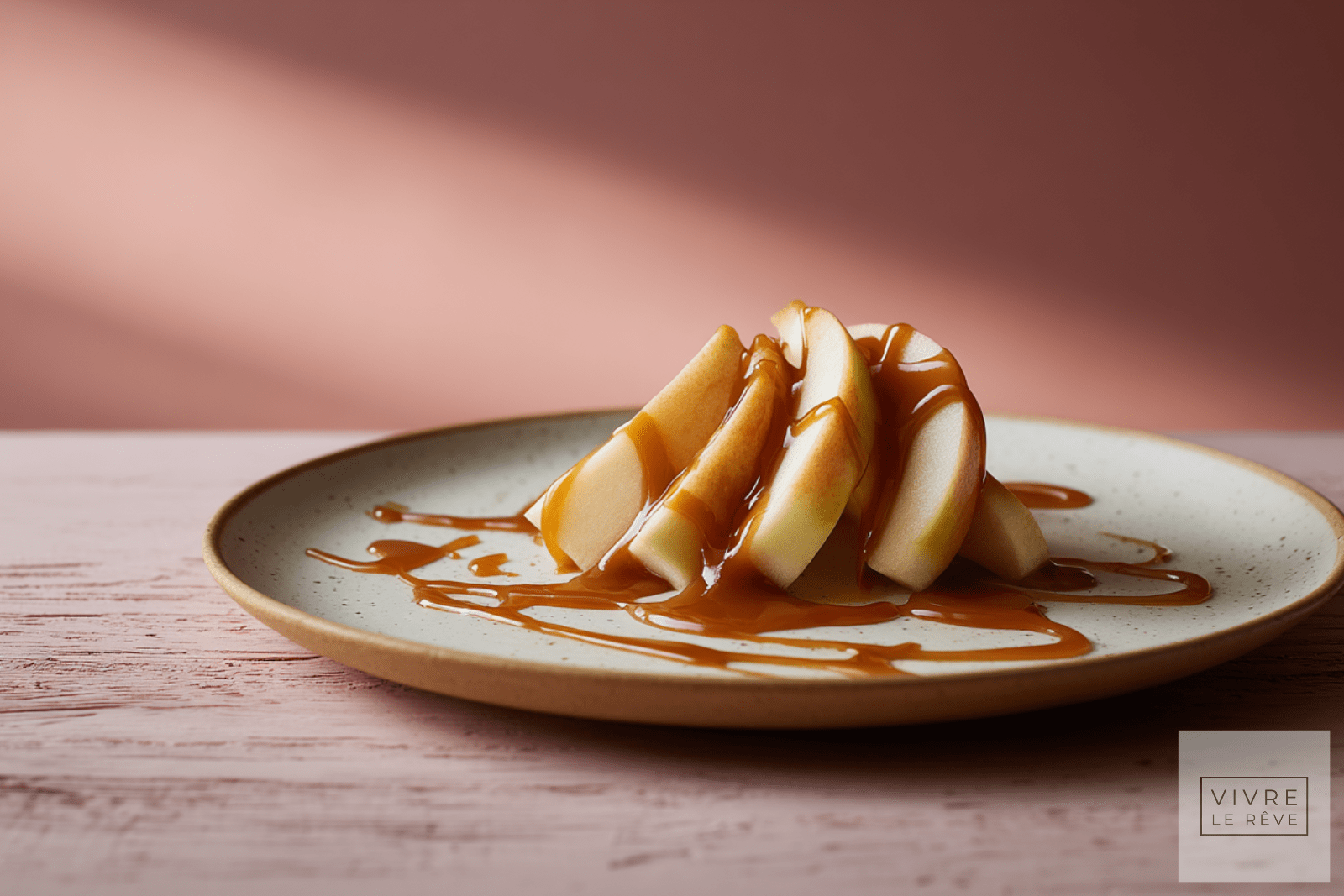
Caramel sauce should be glossy, smooth and fluid. Not stiff, grainy or hard once it cools. But if your caramel keeps setting like toffee, turning lumpy, or solidifying into a chewy block as soon as it hits the spoon, you’re not alone. This is one of the most common caramel problems home cooks face, and the good news is that it’s completely fixable once you understand why it happens.
In this guide, you’ll learn exactly how to make caramel sauce that doesn’t harden, why caramel sauce hardens and the professional pastry techniques that guarantee soft, pourable caramel every time. Whether your caramel seized during cooking, thickened into a sticky mass in the jar, or solidified overnight in the fridge, you’ll find the solution here.
Why Caramel Sauce Hardens (The Real Reason)
Caramel sauce hardens for one of three reasons:
1. Too little liquid (cream/milk/water) was added
Caramel is simply melted sugar. If you don’t add enough liquid at the end, the sugar concentration stays too high, so as it cools, it returns to a semi-solid state. This is the number one reason caramel sets into a block.
2. The caramel was cooked too long
If caramel reaches too high of a temperature (usually past 175°C / 350°F), the sugar begins to move into the hard-crack stage. Even when you add cream afterwards, the caramel will always be thicker, firmer and less fluid.
3. Not enough fat to keep the sauce soft
Fat (butter & cream) prevents caramel from crystallising and keeps it silky. Without enough fat, caramel can turn grainy or stiff, especially in the fridge. Most caramel failures are a combination of heat and liquid imbalance, and once you correct those two things, your caramel will stay beautifully soft.
If you want a deeper understanding of caramel stages and how temperature affects texture, you can read our full guide The Science of Caramel: Stages & Technique. It explains exactly what’s happening in the pan, and why caramel sometimes turns hard instead of staying silky.
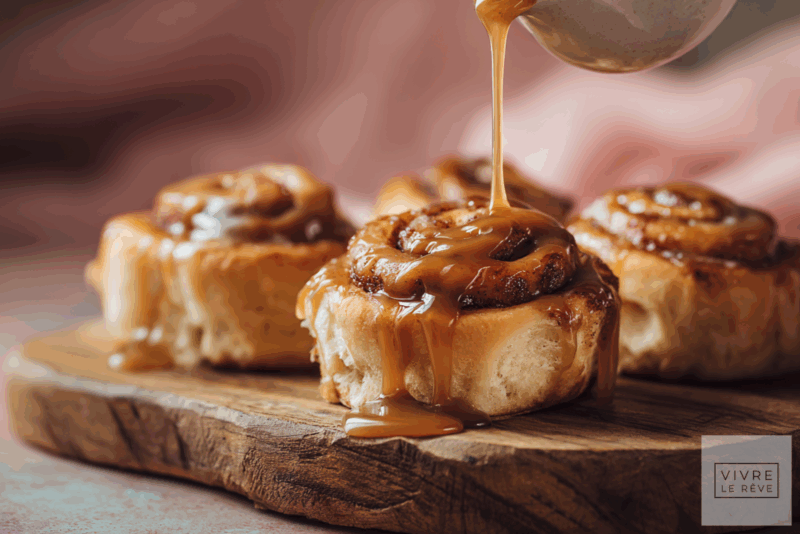
How to Make Caramel Sauce That Doesn’t Harden
Here are the specific pastry school techniques that guarantee soft caramel sauce.
1. Add Enough Liquid
A pourable caramel requires at least a 1:1 ratio of sugar to liquid components (cream & butter).
For example:
- 200g sugar
- 120ml cream
- 90g butter
This creates a soft, fluid sauce that stays glossy even when chilled. If your recipe uses less liquid than this, the sauce will set firmer.
Fix: Reheat and whisk in more warm cream (or milk).
2. Don’t Cook the Caramel Too Dark
The darker sugar gets, the harder it will set.
For sauce, aim for:
- Medium amber = pourable
- Dark amber = thicker, more set
- Very dark amber = will set hard
A light-coloured saucepan makes colour judging far easier and prevents accidental overcooking.
Fix: Next time, stop heating the sugar 5–10 seconds earlier.
3. Add the Cream While the Sugar Is Hot
If sugar cools too much before cream is added, it can seize and form lumps which later set. Adding warm cream immediately keeps everything fluid.
Fix: If this happened, warm the seized caramel gently and whisk until smooth again.
4. Use Warm Dairy (Never Cold)
Cold cream shocks the caramel and can cause it to crystallise, which leads to hard or gritty texture once cooled. Always use warm cream and room-temperature butter, this creates a smooth emulsion that stays soft.
5. Add More Liquid for a Softer Sauce
If your caramel is thick or semi-solid after cooling, it simply needs more moisture. This is what professional kitchens do.
Fix: Reheat gently and whisk in 1–2 tbsp warm cream, or 1 tbsp warm milk, or 1 tsp water (very small amounts at a time). The sauce will loosen instantly.
Why Caramel Turns Hard in the Fridge
All caramel thickens in the fridge, even shop bought caramel. Cold temperatures firm up butter and fat, so the sauce becomes stiff. But it should never turn solid or break into lumps.
If your fridge caramel becomes a rock here’s what probably happened:
- not enough cream was added
- the sugar was cooked too hot
- the caramel crystallised during cooking
Quick fix: Microwave for 10 seconds or warm in the pan with a splash of cream.
How to Fix Caramel Sauce That Has Already Hardened
If your caramel is already stiff, lumpy, or solid:
- Place it in a saucepan
- Warm it gently over a low heat
- Add 1–2 tbsp warm cream (or milk)
- Whisk until silky and smooth
If it remains grainy, keep heating gently, it will re-melt.
How to Make Caramel Sauce That Doesn’t Harden in Future Batches
These are the pastry chef golden rules for soft caramel sauce:
- Always use warm cream
- Don’t overcook the sugar
- Add liquid while sugar is still hot
- Maintain enough fat in the recipe
- If in doubt, add a splash more cream
- Never stir dry melting sugar (swirl only)
- Use a light-coloured pan to judge colour correctly
Follow these and your caramel should never harden again.
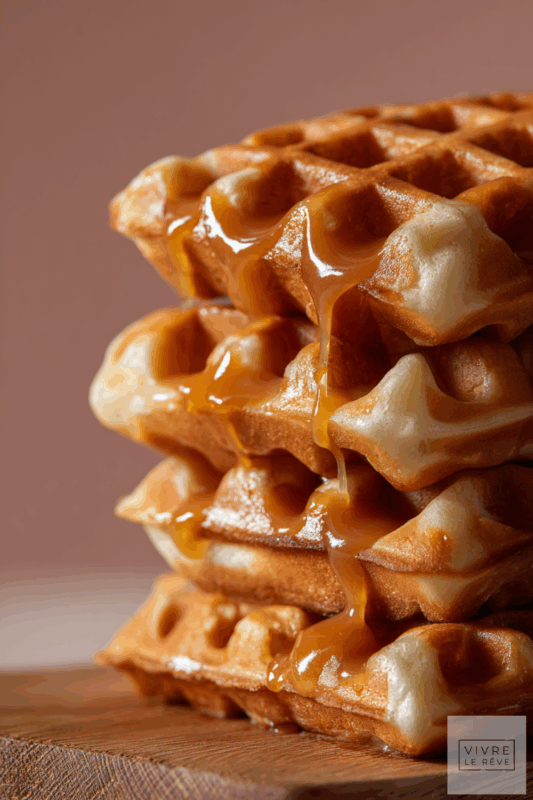
The Perfect Caramel Sauce Recipe
If you want a guaranteed-soft caramel recipe that stays glossy and pourable, try my Perfect Salted Caramel Sauce, it’s smooth, rich and never grainy.
Caramel sauce that hardens is frustrating, but it’s almost always caused by one of two things: the sugar was cooked too hot, or there wasn’t enough liquid added. Once you understand those two factors, caramel becomes easy, repeatable and incredibly satisfying to make. With the techniques in this guide, you’ll be able to make caramel sauce that stays perfectly smooth, soft and pourable, every single time.
If you want a softer or dairy-friendly option, you can also try my Salted Caramel Sauce Without Cream, which includes four no-cream variations that stay beautifully fluid.
