
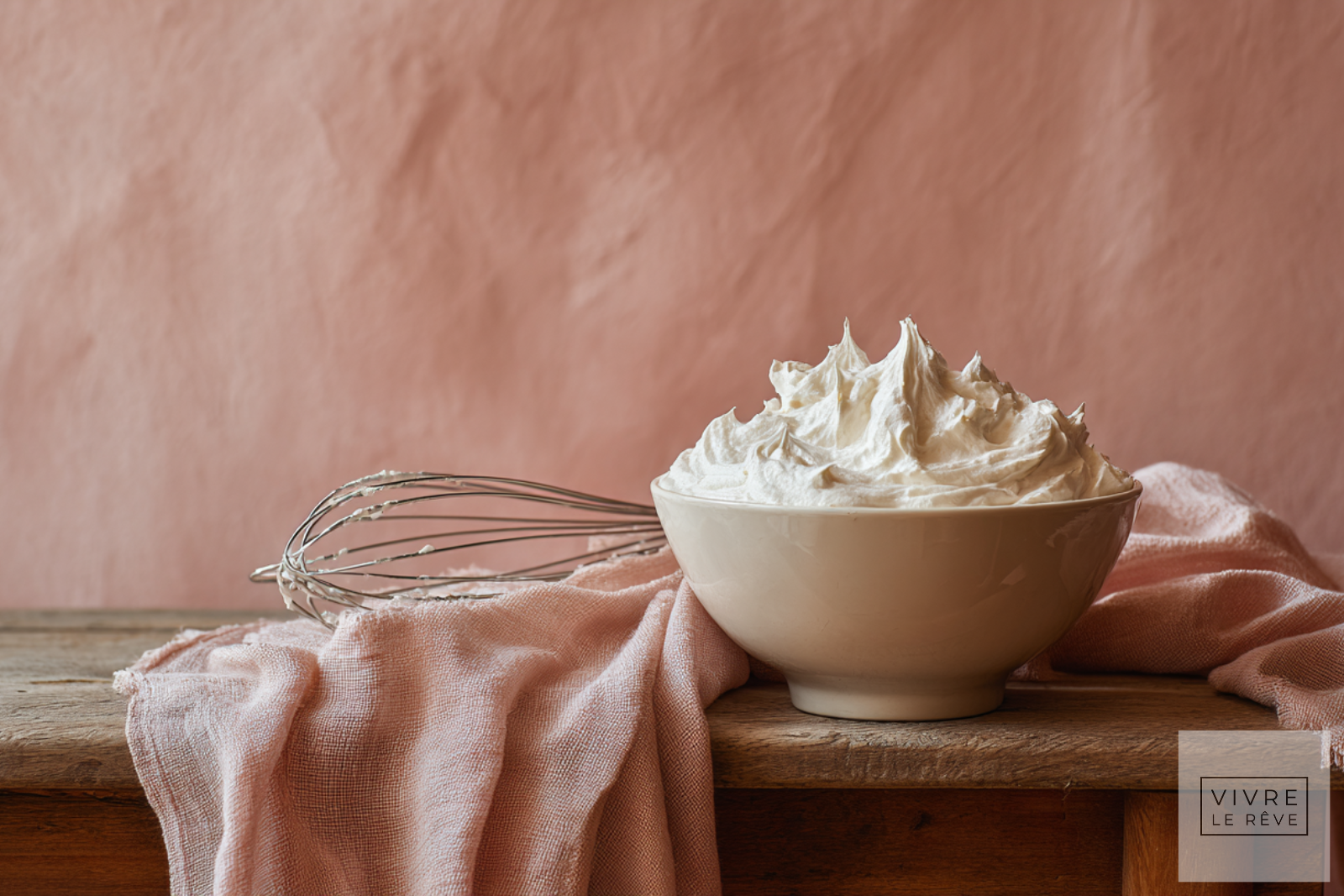
Whipped cream seems simple, just cream and a whisk, but getting it perfectly soft, billowy and stable every time is a real skill. The good news? Once you know the small techniques that make the biggest difference, your whipped cream will always turn out beautifully, whether you’re making profiteroles, pavlova, hot chocolate or topping a dessert.
In this guide, we’ll walk through exactly what affects whipping, how to choose the right cream, and how to avoid the most common mistakes.
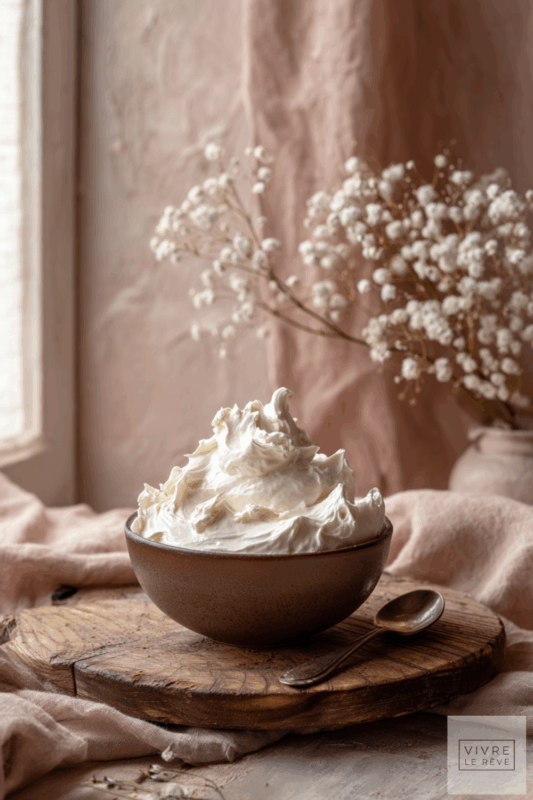
What You Need for Perfect Whipped Cream
To make classic, stable whipped cream, you only need three things:
- Cold double cream (minimum 48% fat)
- A cold bowl
- A whisk or electric mixer
That’s it. But the details matter, so let’s break them down.
Step 1: Start with Cold Everything
Warm cream simply won’t whip well. For the best results:
- Chill the cream for at least 4 hours.
- Pop your mixing bowl in the fridge for 15–20 minutes.
- If your kitchen is warm, chill the whisk too.
Cold fat traps air better, which gives whipped cream its structure and lightness.
Step 2: Choose the Right Cream
Not all cream can be whipped. For guaranteed success, use:
Double cream (UK) / Heavy cream (US) with at least 48% fat.
Avoid:
- single cream
- half-and-half
- low-fat cream
- plant-based creams unless labelled “whippable”
They simply don’t have the fat needed to form stable peaks.
Step 3: Add Your Sweetener and Flavour (Optional)
You can whip cream plain, but adding a little sweetness and flavour gives it a beautifully soft, luxurious finish.
The best timing is is to add sugar and vanilla at the beginning, before whipping. Why? It blends evenly, and you don’t risk overwhipping at the end.
Recommended amounts:
- 1 tbsp icing sugar per 300ml cream
- 1 tsp vanilla extract
- Optional: a pinch of salt (it makes the flavour pop)
Step 4: Whip to the Right Stage
There are three key stages, and each serves a different purpose.
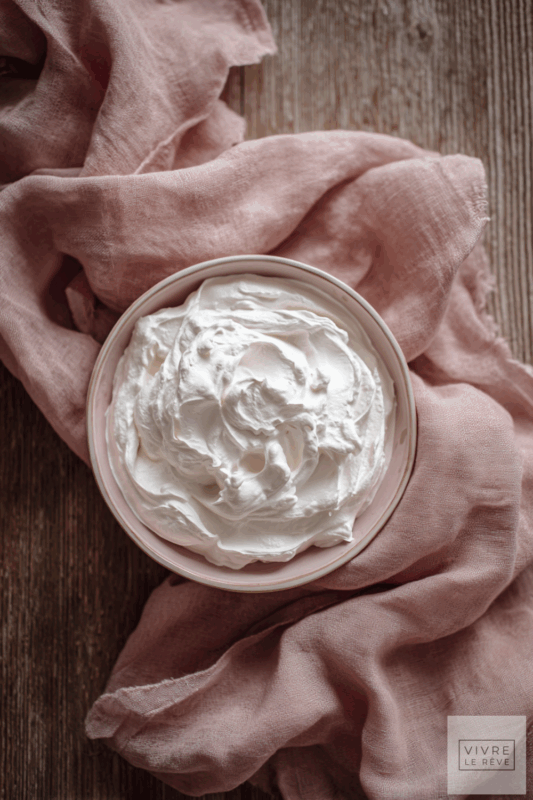
Soft Peaks
- Light
- Cloud-like
- Perfect for topping desserts and folding into mousses
Medium Peaks
- Holds its shape
- Ideal for piping into profiteroles
Firm Peaks
- Very stiff
- Only needed when you want cream to sit under heat or hold for hours
For profiteroles or choux buns, aim for soft to medium. Too stiff and it can taste buttery or heavy.
Step 5: Stop at the Right Moment
The biggest mistake? Overwhipping.
Once cream loses its shine and becomes grainy, you’re 30 seconds from butter.
If you accidentally go too far:
Add 1–2 tbsp of extra cold cream and gently whisk by hand. It usually rescues it instantly.
Troubleshooting: Why Your Whipped Cream Collapses
- Collapses immediately? Cream wasn’t cold enough.
- Never thickened? Fat content was too low.
- Turns grainy? Overwhipped.
- Goes watery in the fridge? Add 1 tsp icing sugar, it stabilises it.
How to Stabilise Whipped Cream (So It Lasts Hours)
If you want whipped cream that holds its shape for most of the day, add one of these:
- 1 tbsp icing sugar
- 1 tbsp mascarpone
- ½ tsp gelatine (bloomed)
What to Use Perfect Whipped Cream For
- Easy Chocolate Profiteroles
- Fresh fruit
- Hot chocolate
- Pavlova and meringue nests
- Cream cakes
- Trifles
- Puddings
- Scones
Perfect whipped cream is one of those kitchen basics that feels magical once you understand it. A cold bowl, the right cream, and a gentle touch are truly all you need. Once you get the hang of it, you’ll be able to make soft, pillowy cream for any dessert, and it’ll never collapse or split on you again.
